Most dogs in Lincolnton will have some dental disease by middle age, and it starts quietly: a little plaque along the gumline, breath that gets worse by degrees, gums that redden where they used to be pink. Home brushing is the single most effective thing an owner can do about it, and it is also the thing owners most often start, abandon, and feel guilty about. This checklist approach keeps it practical: what to look at, what you can do, and where your job ends and the veterinarian's begins.
Groomers at places like Posh Pups Salon LLC see a lot of mouths up close during baths and face work, so they often spot trouble early. What they can do about it has a firm legal and practical line, and understanding that line keeps your dog safe.
What you are actually fighting: plaque versus tartar
Plaque is the soft film that forms on teeth within hours of eating. It brushes off easily, which is the whole point of home care. Left in place, plaque mineralizes into tartar, the hard yellow-brown crust that grips the tooth, especially on the upper back teeth and along the gumline. Tartar does not brush off. No toothpaste, chew, or water additive removes it once it has hardened.
That one distinction explains most dental confusion. Brushing prevents tartar. It does not cure it. When tartar builds up, bacteria work under the gumline, gums recede, and teeth loosen, and at that stage the fix is a veterinary dental cleaning under anesthesia, where the teeth can be scaled above and below the gumline and examined properly.
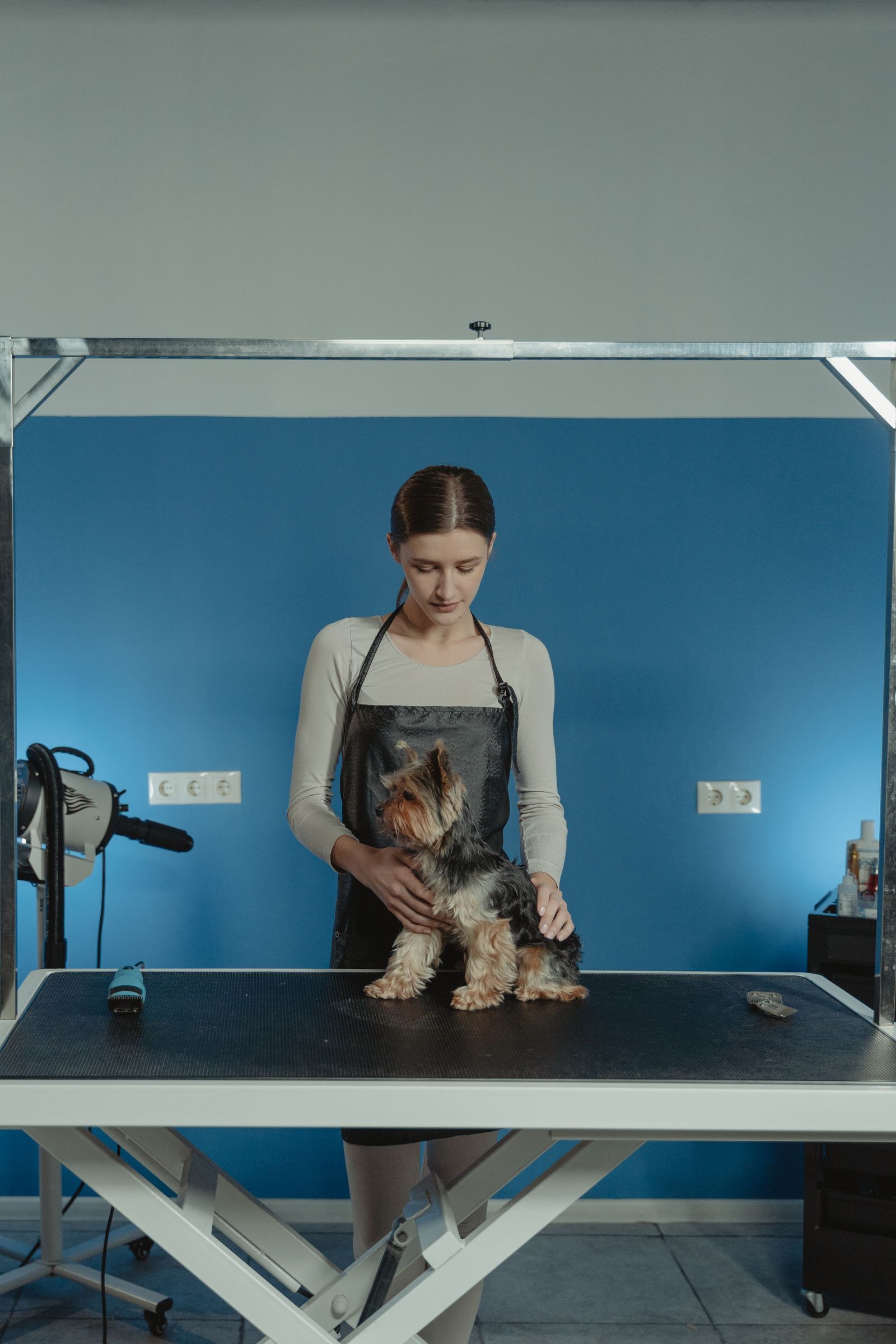
The home dental checklist
A monthly mouth check, in order
- Lift the lip and look at the back teeth. Pass: teeth are white to slightly cream with a thin, clean gumline. Fail: heavy brown crust, especially on the large upper cheek teeth.
- Check the gum color and edge. Pass: gums are pink and meet the tooth in a clean line. Fail: a red, puffy rim along the teeth, or gums pulling away from the tooth.
- Smell the breath up close. Pass: mild dog breath. Fail: a sharp, rotten odor that is new or much stronger than usual, which often means infection.
- Watch how the dog eats. Pass: crunches kibble on both sides. Fail: chewing on one side only, dropping food, pawing at the mouth, or switching suddenly to soft food.
- Feel along the jaw and face. Pass: both sides match. Fail: swelling under the eye or along the jaw, which can point to a tooth root problem and needs a vet promptly.
- Look for loose, broken, or discolored teeth. Pass: all teeth firm and similar in color. Fail: a gray or purple tooth, a visible fracture, or anything that wiggles.
- Note puppy teeth in young dogs. Pass: baby teeth fall out as adult teeth arrive. Fail: a baby canine still in place beside the adult one, which traps debris and should be shown to a vet.
Brushing that a dog will actually accept
Start with flavor, not equipment. Let the dog lick dog toothpaste, which is made to be swallowed and comes in flavors dogs like, off your finger for a few days. Then rub the front teeth with a finger brush or gauze for a few seconds, and stop while it is still going well. Build to the back teeth over a couple of weeks. Human toothpaste is off the table: it contains ingredients dogs should not swallow, and dogs cannot spit.
Aim for the outer surfaces of the teeth where plaque collects, using small circles at the gumline, for about a minute total. Daily is ideal because plaque hardens within a couple of days, but brushing several times a week still helps a great deal more than the perfect routine abandoned by February. Tie it to an existing habit, like the last trip outside at night, and keep treats honest: the session ends calmly, with praise, not a wrestling match.
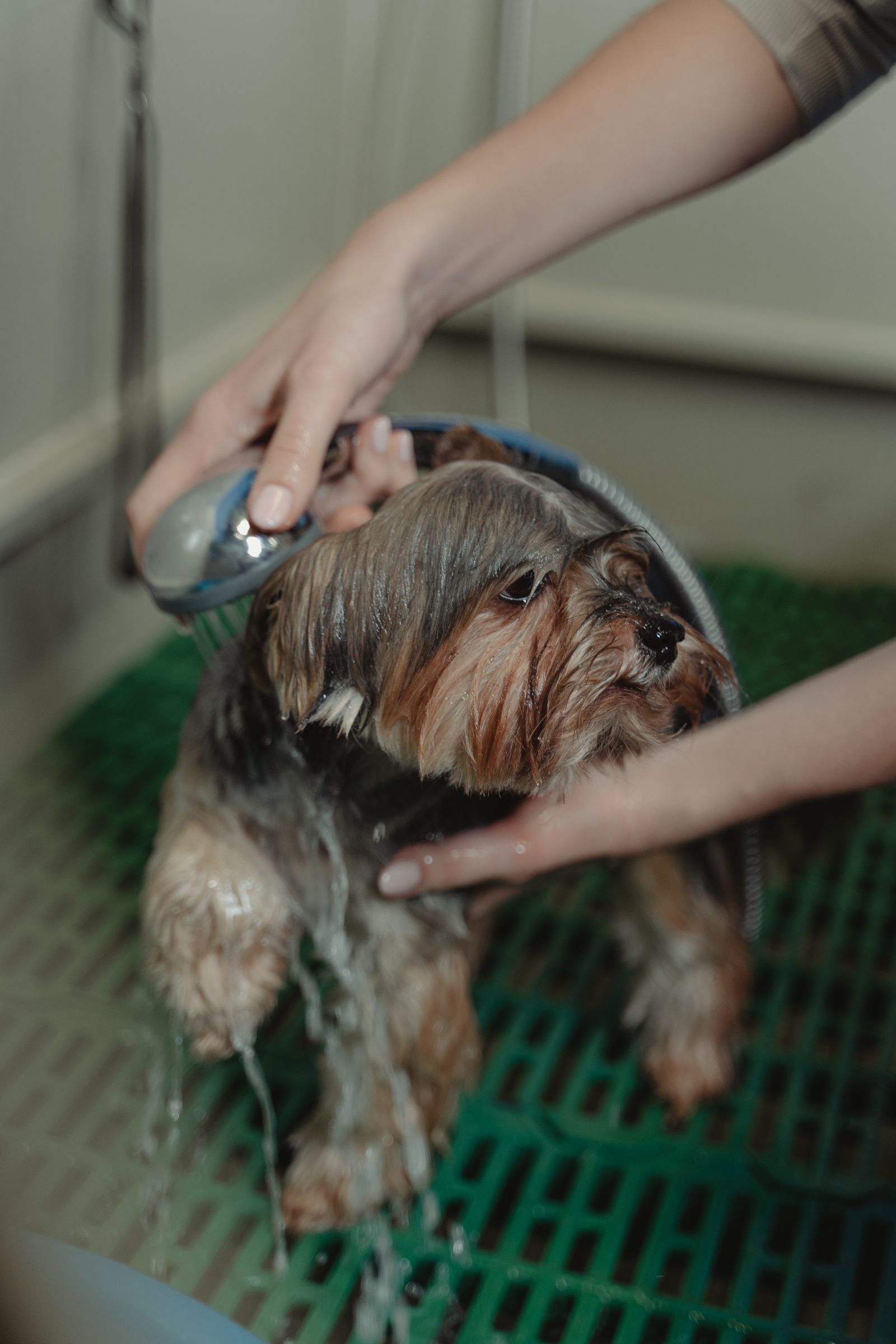
What groomers can and cannot do
A groomer can brush your dog's teeth with a brush and dog toothpaste during a bath or full groom, wipe the teeth, and freshen breath. A groomer can also tell you what they saw: tartar on the back teeth, red gums, a loose tooth, a smell that suggests trouble. That heads-up is genuinely valuable, because mouths are easy to ignore until they hurt.
A groomer cannot scale tartar, and you should be wary of anyone offering anesthesia-free dental scaling as a substitute for veterinary care. Scraping the visible crown makes teeth look whiter while leaving bacteria under the gumline untouched, which is where the damage happens. Proper scaling below the gumline requires a still patient, which is why it is done under anesthesia by veterinary staff who can also probe, take X-rays, and pull teeth that cannot be saved.
Chews, additives, and other helpers
Dental chews with the Veterinary Oral Health Council seal have been tested for plaque or tartar reduction and can support a brushing routine. Rawhide-style chews and very hard items like antlers and bones carry their own risks, including broken teeth and blockages, so choose with your vet if you are unsure. Water additives and dental diets help at the margins. None of them replace brushing, and none of them remove tartar that is already there.
Small breeds deserve extra attention in Lincolnton grooming chairs, because crowded teeth in little jaws trap plaque faster. Yorkies, poodles, and similar small dogs often need veterinary dentals earlier in life than large breeds, which is another reason the monthly lip-lift is worth the thirty seconds it takes.
Common questions
How often should I brush my dog's teeth?
Daily is best because plaque mineralizes into tartar within a few days. Brushing three or four times a week still provides real protection and is far better than not brushing at all.
My dog has visible tartar. Will brushing fix it?
No. Brushing removes soft plaque and slows new tartar, but hardened tartar needs a veterinary cleaning under anesthesia to remove it safely, including below the gumline.
Can the groomer clean my dog's teeth instead of the vet?
A groomer can brush and freshen teeth and flag problems early. Scaling, probing, and any work below the gumline is veterinary work and requires anesthesia to be done properly.
Photos in this guide are representative stock images.
← All guides from Posh Pups Salon LLC← Back to Posh Pups Salon LLC